Noticias de Prehistoria-Prehistoria al Día[es] mentions this week two quite impressive archaeological findings that illustrate the richness of the lives of our remote ancestors.
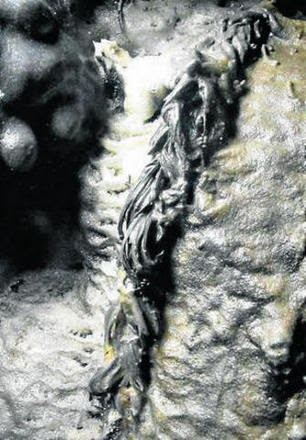 |
| Ardales petrified rope |
A petrified rope (right) was found in the cave of Ardales (Andalusia). The rope now transformed into stone by the same mechanism that forms stalactites was apparently tended to allow access to a remote section of the cave rich in rock art.
Other findings are several fixed lamps created by the breaking of stalagmites, as well as several portable lamps found earlier in the research. In these lamps marrow or wax was burned.
The rope has been indirectly dated to c. 30 Ka BP, what in Southern Iberia would still be the Aurignacian period.
Evidences of ropes of slightly more recent age are also known from Moravia (Gravettian) thanks to patterns left on their famous terracotta figurines.
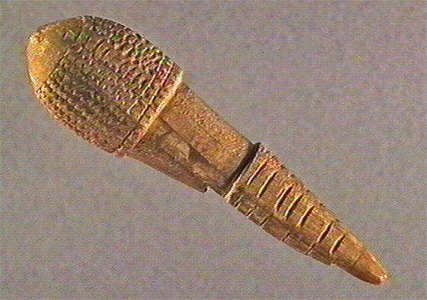
The other not less spectacular finding comes from Russia, where an ivory spoon was found in Avdeevo cave, near Kursk. It belongs to the Gravettian period and is dated c. 23-22 Ka BP.
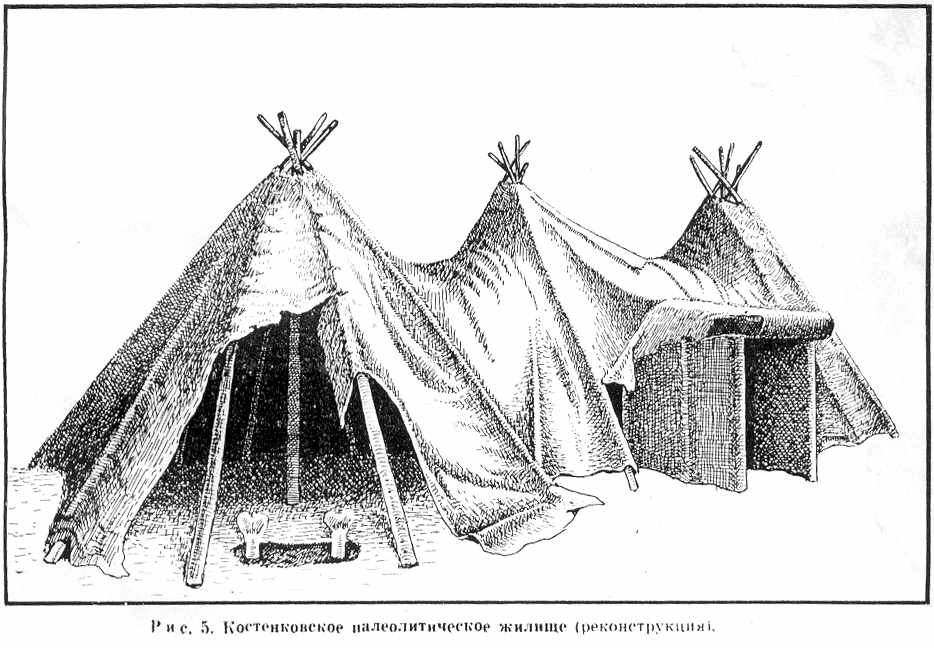
The same site also provided a beautiful spatula almost identical to another one previously found in Kostenki, as well as other materials including a "Venus" figurine.
These findings illustrate the wealth of creativity displayed by the Paleolithic hunter-gatherers, not so different from ours after all.
 |
| Avdeevo ivory spoon |